All Categories
Featured
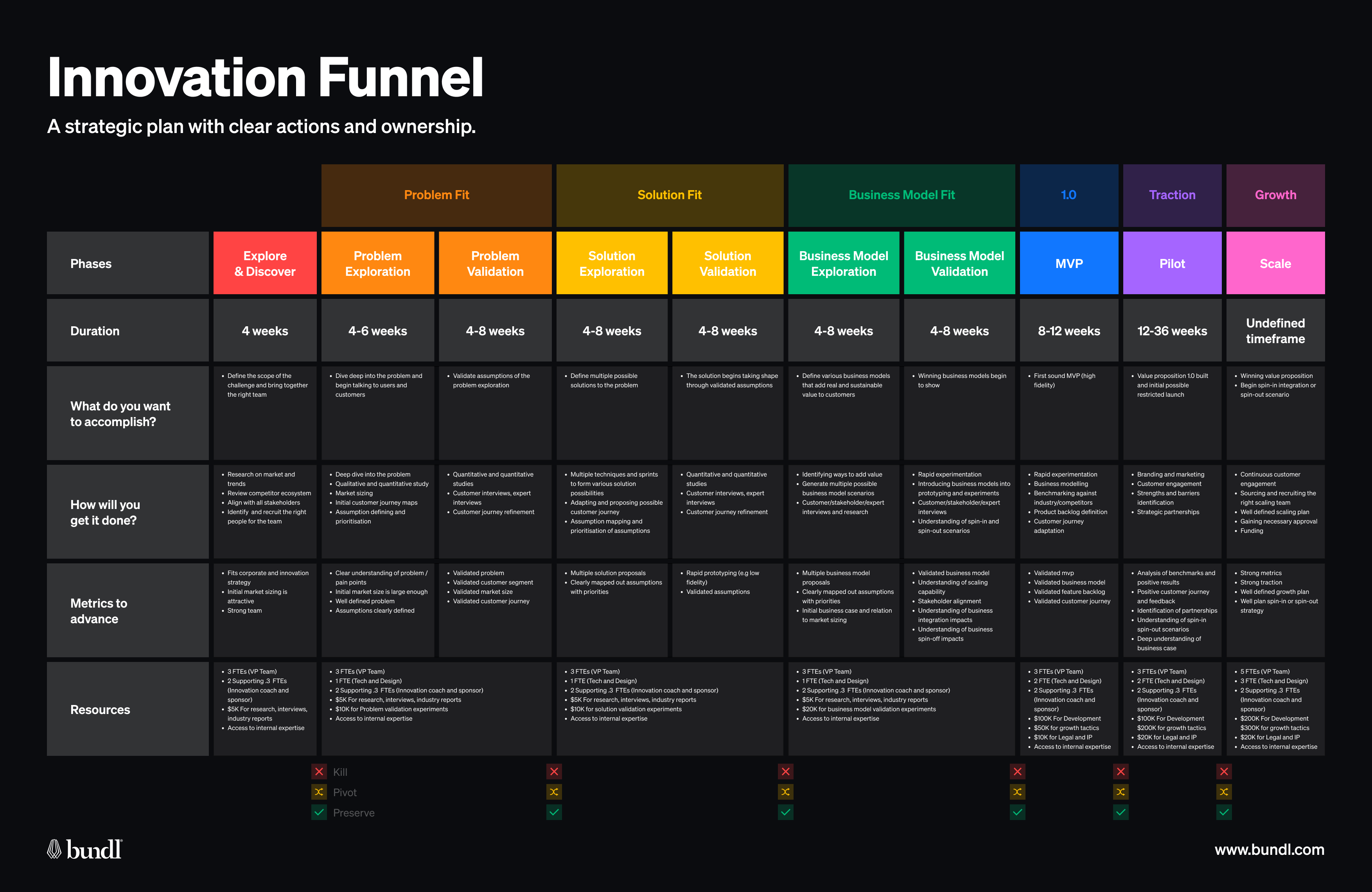

Key Tips for Managing Complex Tech Transformation
Table of Contents
Low-code and no-code platforms stand out at assisting non-technical groups model rapidly or construct basic internal tools. Intricate system combinations, heavy security architectures, and core proprietary software application still require professional developers to ensure stability and security.
The length of time does a normal digital change take to yield quantifiable ROI? Digital change is a constant journey, but initial stages typically yield quantifiable returns within 3 to 6 months. By focusing on high-impact, low-complexity workflows for early automation, services can money longer-term modernization efforts utilizing the cost savings produced in advance.
Enterprise technology trends in 2026 reflect a wider shift from experimentation to structured execution. Organizations have actually tested generative AI, broadened automation efforts, and reassessed tradition systems.
At the same time, market findings emphasize that without disciplined data and governance practices, many AI initiatives risk stopping working to deliver quantifiable service worth. While analyst viewpoints highlight various dimensions of the market, they indicate a typical reality: AI needs to be structured, automation should be orchestrated, and enterprise architecture should support scalability, governance, and trust.
Throughout controlled markets and document-intensive environments, these trends are currently improving enterprise architecture decisions.
Shortening Innovation Workflows in Large Enterprises
The speed of modification entering 2026 is speeding up, with business technology moving from incremental upgrades to transformational abilities. Organisations that invest early in these emerging trends will secure a quantifiable one-upmanship throughout performance, innovation, and client experience. The following 10 developments are set to specify the year ahead, reshaping how businesses operate, provide services, and contend in a progressively digital market.
Unlike standard generative tools that depend on human triggers, agentic systems perform tasks end-to-end: preparing objectives, taking autonomous actions, and incorporating with business applications to deliver measurable outputs. They act less like assistants and more like digital employee. This shift will change how organisations approach labour-intensive jobs such as information event, compliance reporting, procurement workflows, client case handling, and systems administration.
Key Tips for Leading Complex Tech TransformationEarly adopters will be those seeking quick scalability, tight cost control, and much faster decision cycles. There's an argument to say this ship has actually already cruised The start of 2027 marks the true end of ISDN throughout the UK, forcing the last remaining services to switch in 2026. While the deadline has been announced for many years, thousands of SMEs have delayed action.
The Evolution of Enterprise R&D in 2026
The winners will be organisations that treat this shift not as a technical replacement, but as an opportunity to modernise call routing, hybrid-working assistance, CRM integration, client insight, and contact centre ability. Suppliers will separate through bundled analytics, call automation, and security functions developed for hybrid networks. Attack approaches are now evolving faster than human analysts can respond.
Security platforms will monitor endpoints, identity systems, cloud environments, and OT networks constantly, acting instantly on emerging hazards. This relocation will accompany a rise in combined security stacks, where MDR, SIEM, identity security, and endpoint controls operate under a single intelligent framework. Companies will progressively measure their security posture through strength metrics rather than tradition compliance alone.
As companies end up being more based on dispersed networks of suppliers, logistics partners, and digital platforms, vulnerabilities anywhere in the chain can weaken consumer confidence and commercial efficiency. In 2026, organisations will prioritise supplier verification, real-time visibility of third-party threats, and totally auditable information streams throughout their procurement and logistics communities.
Key Tips for Leading Complex Tech TransformationWays to Architect High-Performance Innovation Hubs
Sellers and business operators that can demonstrate end-to-end supply chain security will stand apart in an increasingly scrutinised market. As AI continues to develop, services are starting to question the enduring assumption that expert tasks should be outsourced. In 2026, advanced designs trained on sector-specific workflows will give organisations the ability to bring previously externalised functions back in-house, at scale and at a portion of the standard expense.
Logistics operators will use AI to manage preparation and optimisation without relying on outsourced consultancies. This shift allows organisations to keep tactical control, accelerate turnaround times, and reduce invest on external professionals.
Producers, energies, and logistics companies are moving far from isolated functional networks. In 2026, OT and IT stand to totally assemble, permitting maker information, upkeep records, energy use, and production control systems to merge with ERP and analytics platforms. This merging will produce: Predictive upkeep prioritised by commercial effect Real-time production and cost presence Stronger governance across historically unsecured OT devices Organisations that integrate early will decrease downtime and totally free caught value in their functional information.

Latest Posts

The Evolution of Corporate R&D for 2026
How Innovation Hubs Fuel Corporate Growth

How to Scale Tech Hubs in Future?